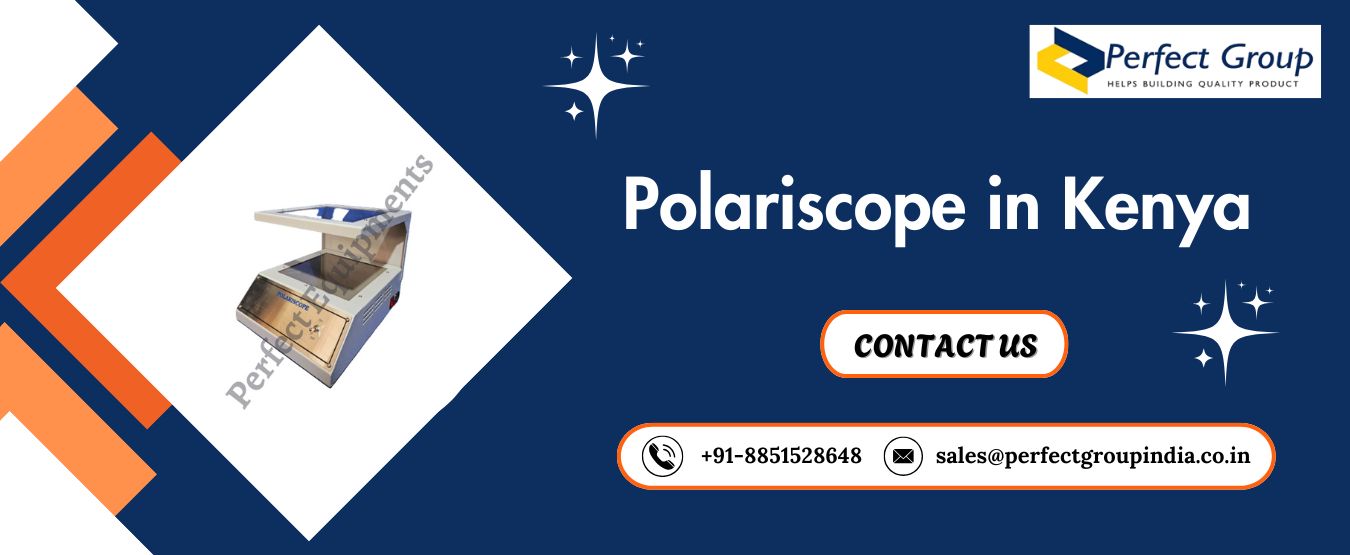
Polariscope in Kenya
Introduction
Polariscope in Kenya is used to measure internal stresses in transparent materials such as glass by using polarized light technology. This simple but useful tool helps manufacturers in quality control by identifying hidden stress patterns that can result in breakage or cracks. It is widely used in Kenyan research centers, industrial equipment and labs. Perfect Group India provides this important tool to support material safety and performance in response to the growing demand for trustworthy testing. A Polariscope helps guarantee product strength by identifying invisible stress issues before they become serious problems whether you're in the packaging, glass or plastics industries.
What is Polariscope in Kenya?
Polariscope in Kenya is a test device used to detect internal stresses in transparent materials such as glass and plastics. By displaying vibrant patterns when stress is present, it helps manufacturers in guaranteeing the strength and safety of their products. This instrument is often used to find flaws before they are used, improving overall quality and lowering failure risks in industries like glass manufacturing, automotive and packaging.
Applications of Polariscope in Kenya
Polariscope in Kenya is growing popular across various industries, including:
• Plastic Manufacturing: Detects internal stress in molded plastic parts like bottles, jars and containers.
• Glass Industry: Understands heat stress and avoids glass products from breaking.
• Acrylic Sheet Production: Guarantee even thickness and stress-free material use.
• Packaging Sector: Checks quality of PET bottles, caps and other transparent packaging materials.
• Educational Research: Used in universities and labs to study stress behavior in materials.
• Pharmaceutical Industry: Provide clear containers like vials and ampoules that are stress-free and safe to use.
Importance of Polariscope in Quality Control
The manufacturing and packaging industries in Kenya are securing more focus on quality control. Polariscope is important to making sure that products fulfill durability and safety requirements. Here's how:
• Avoids Product Failure: Identifies material weaknesses that can cause breaking while being used.
• Improves Shelf Life: Stress-free packaging lowers the possibility of damage or leakage, specifically in food and drink.
• Saves Time and Cost: Early stress detection helps avoid costly recalls and manufuring errors.
• Compliance with Standards: Meets global and regional quality safety standards.
Types of Polariscope Used in Kenya
Different models are available depending on the requirement:
• Desktop Polariscope:- Best suited for labs and testing facilities. Offers accurate stress analysis with high-clarity results.
• Portable Polariscope:- Perfect for field testing and on-the-go analysis. Lightweight and easy to carry.
• Digital Polariscope:- Features advanced imaging and recording options. Useful for documentation and detailed examination.
Features to Look For in a Polariscope
When industries in Kenya consider investing in a Polariscope, these features help provide better performance:
• Polarized Light Source: For improved clarity, use bright, regular light.
• Adjustable Filters: For easy manipulation and clearer visibility.
• Viewing Field Size: Depending on the size of the material to be tested.
• Measurement Scales: To estimate the stress level in numbers.
• Build Quality: Strong structure for durability use in industrial environments.
Benefits of Using Polariscope in Kenya
The multiple advantages that Polariscope provides are the reason for its increasing demand in Kenya:
• Non-destructive Testing: The test sample is not harmed or changed.
• Easy to Operate: For businesses, even simple training is required.
• Quick Results:Actual visual input on patterns of stress.
• Eco-friendly: No dangerous chemicals or garbage are generated.
• Multi-Industry Use: It can be used in packaging and medicines in other industries.
Why Kenya’s Industries are Embracing Polariscope
The industrial sector in Kenya is changing. There is a need for technologies like Polariscope because of increased manufacturing, more demanding quality checks and customer awareness. Companies are trying to provide higher-quality products that satisfy national and global requirements. As a result, reliable tools for testing are required. Polariscope satisfies this need by providing accurate stress analysis in an easy-to-use manner.
Industry use of higher-quality methods is also being pushed by government programs to increase national manufacturing and reduce dependence on imports. Polariscope is a reliable and reasonably priced way to help with these efforts.
How to Use a Polariscope – Basic Steps
Using a Polariscope in Kenya is easy. Here is a basic guide:
• Place the Material: Keep the transparent sample on the Polariscope platform.
• Turn On the Light: Switch on the polarized light source.
• Observe the Pattern: View through the filters to detect color fringes.
• Rotate the filters: Modify the angle of visibility or quality.
• Interpret the Colors: Stress is indicated by the color patterns' brightness or thickness.
Maintenance Tips for Durability
For durablity use of Polariscope in Kenya, regular maintenance is key:
• Clean the lenses and filters with soft cloth.
• When not in use, keep the equipment covered.
• Stay clear of moisture and high heat.
• If used in an important testing setup, get regular testing.
Conclusion
Polariscope in Kenya makes it easier and more accurate for companies to identify internal stress in materials. This device is important for examining the quality of transparent, glass and plastic materials. It provides clear images, which helps the early detection of flaws. It is playing a more important role in manufacturing and packaging because of the increasing demand. Kenyan industries are using these smart equipment to improve safety and reliability. Perfect Group India provides trustworthy and accurate testing solutions that are made to satisfy real-world industrial needs and issues. This guarantees that your products fulfill the required standards before they are put on the market.