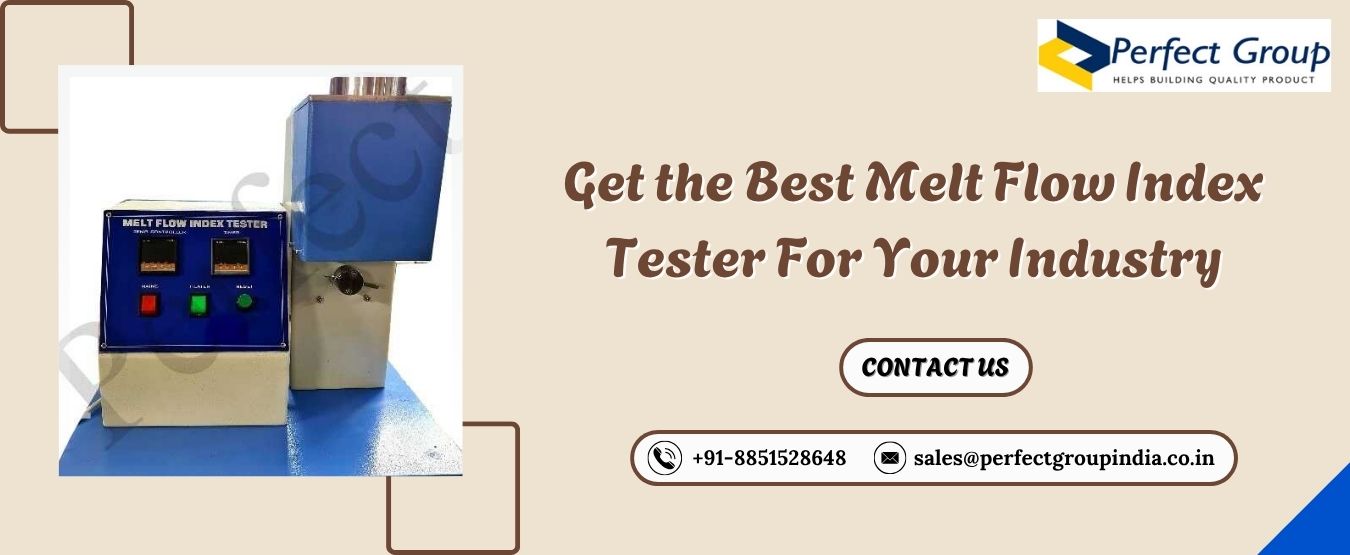
Get the Best Melt Flow Index Tester For Your Industry
Introduction
Selecting the right Melt Flow Index Tester for your industry is important for providing stable performance in polymer production. This device analyzes the flow rate of thermoplastic materials under specific conditions for providing important information about thickness and ease of processing.
Accurate MFI testing is required for industries such as packaging or automotive and medical manufacturers to meet legal requirements and improve production. The perfect tester should provide accurate management of temperature and durability in industrial environments. Automation features and digital controls can improve performance while reducing human error.
Investing in a high quality MFI tester that matches your materials and workflow improves the quality of your goods by reducing waste and supports innovation across your manufacturing process. Choose smartly for a successful future.
Understanding the Role of a Melt Flow Index Tester
The melt flow rate or melt volume rate of thermoplastic materials can be measured using a Melt Flow Index Tester. For molding or extrusion and other processing methods these features show how easily a plastic polymer will flow under certain temperature and pressure settings.
The MFI value is commonly referred to as a material fingerprint. It provides information on the polymer molecular weight and stickiness. Packaging or automobiles and electronics industries depend on accurate MFI measurements to verify that their products meet technical and safety requirements.
Why Accurate Melt Flow Testing Matters
An accurate Melt Flow Index Tester is a must have for sectors that depend on thermoplastics. An incorrect MFI value can cause serious quality problems such as shape disorder, poor structural performance and incompatibility with processing machinery.
A trustworthy tester guarantees the following:
-
Consistent product quality
-
Optimized production parameters
-
Keeping up with international standards
-
Reduction in material waste
The Main Features of a Melt Flow Index Tester
Some characteristics must be selected when choosing a Melt Flow Index Tester to guarantee quality, ease of use and durability. Here are the most important ones:
1. Temperature Control and Stability
The ability to properly control and maintain the testing temperature is important. Look for an instrument that heats quickly and has minimum temperature fluctuations as even little differences could affect results.
2. Load Accuracy
Because MFI testing involves adding specified loads to molten plastic, the equipment has to offer accurate and constant loading conditions. Some testers provide automated weight changing devices that allow for faster and more reliable testing.
3. Digital Display and Automation
Modern testers often include digital controls with real-time data readings. Automation elements like auto cutting mechanisms, programmable test sequences and data storage increase performance and reduce mistakes made by operators.
4. Compliance with Standards
A good Melt Flow Index Tester should meet international testing standards like ASTM D1238 and ISO 1133. This guarantees that it meets global quality control and legal requirements.
5. Strong Design for Industrial Use
Testing devices in factories must be tough and durable. A strong tester made of high quality materials will last longer and provide stable results even after many uses.
Uses Across Industries
MFI Testers are used in a variety of sectors where polymer materials play an important role. Here are some cases of how different companies use MFI testing to improve their operations:
Plastic Packaging
MFI testers are used by manufacturers of plastic films or containers and flexible packaging materials to monitor the flow qualities of polymers such as poly and other plastics in order to make sure they maintain the right thickness, strength and flexibility.
Automotive
Thermoplastics are used in a variety of automobile uses ranging from dashboard components to under the hood parts. A Melt Flow Index Tester helps engineers in selecting polymers that have suitable flow properties for injection molding and functions that require excellent performance.
Medical Devices
Medical grade polymers must be manufactured to high quality and safety standards. MFI testing makes sure that materials used in devices like syringes or tubing and containers work continuously under set conditions.
Construction
PVC pipes and insulating materials demand accurate polymer behavior during extrusion. The MFI test is useful for improving manufacturing processes and reducing faults in structures.
Basic Testing Problems and Solutions
Even with a high quality Melt Flow Index Tester has different problems that can occur during testing. Being aware of these and knowing how to deal with them can result in more accurate and trustworthy results:
Material Degradation
Polymers may break down if left at testing temperatures for too long. To limit exposure, always warm items properly and manage them quickly.
Residue Buildup
Regular cleaning of the barrel and die is required to safeguard against pollution from before testing. Built up leftovers might affect the flow properties and cause incorrect outcomes.
Operator Error
Training your staff on proper methods for testing improves accuracy. Automated features in modern MFI testers may reduce dependency on user judgment therefore improving consistency.
The Future of Melt Flow Testing
As industries grow more automated and based on data the Melt Flow Index Tester grows with them. Some of the advances impacting the future of melt flow testing are:
-
Integration with laboratory information management systems for centralized data storage and analysis
-
Touchscreen interfaces and IoT capabilities for remote monitoring and diagnostics
-
AI-based predictive analysis, enabling manufacturers to know material behavior before production
These trends show greater effectiveness and smarter quality control processes which allow industries to stay competitive while maintaining the highest standards.
Tips for Maintaining Your Melt Flow Index Tester
Proper care and maintenance will help your MFI tester last longer and perform better. Here are some practical tips:
-
Use authorized reference materials for routine testing
-
Keep all surfaces clean and free of polymer leftovers
-
Store weights and accessories in protective cases
-
Check for wear and tear on pistons and dies regularly
-
Follow the manufacturer maintenance schedule
Creating a routine maintenance plan allows you to avoid costly downtime and guarantee continuous improvement in quality.
Making the Right Investment
Choosing the best Melt Flow Index Tester for your industry requires more than just specifications but it also needs to be customized to your operating requirements. Before making a purchase consider the following:
-
The range of polymers you test
-
Frequency of testing
-
Available lab space
-
Budget for maintenance and adjustment
-
Technical support and service availability
Working with trusted suppliers or with testing professionals can help you make a smart choice based on your personal needs.
Conclusion
In a world where materials have to work under stricter standards and in more complex uses then having the proper testing equipment is more important than ever. A Melt Flow Index Tester is an important instrument to guarantee product quality or for fulfilling legal requirements and improving manufacturing processes.
Manufacturers can choose a tester with confidence if they understand its function or characteristics and guidelines for use. Whether you manufacture packaging sheets or automotive parts and medical components then investing in the proper melt flow testing solution has a direct impact on performance with quality and customer satisfaction.